Orcas
Southern Residential Killer Whales
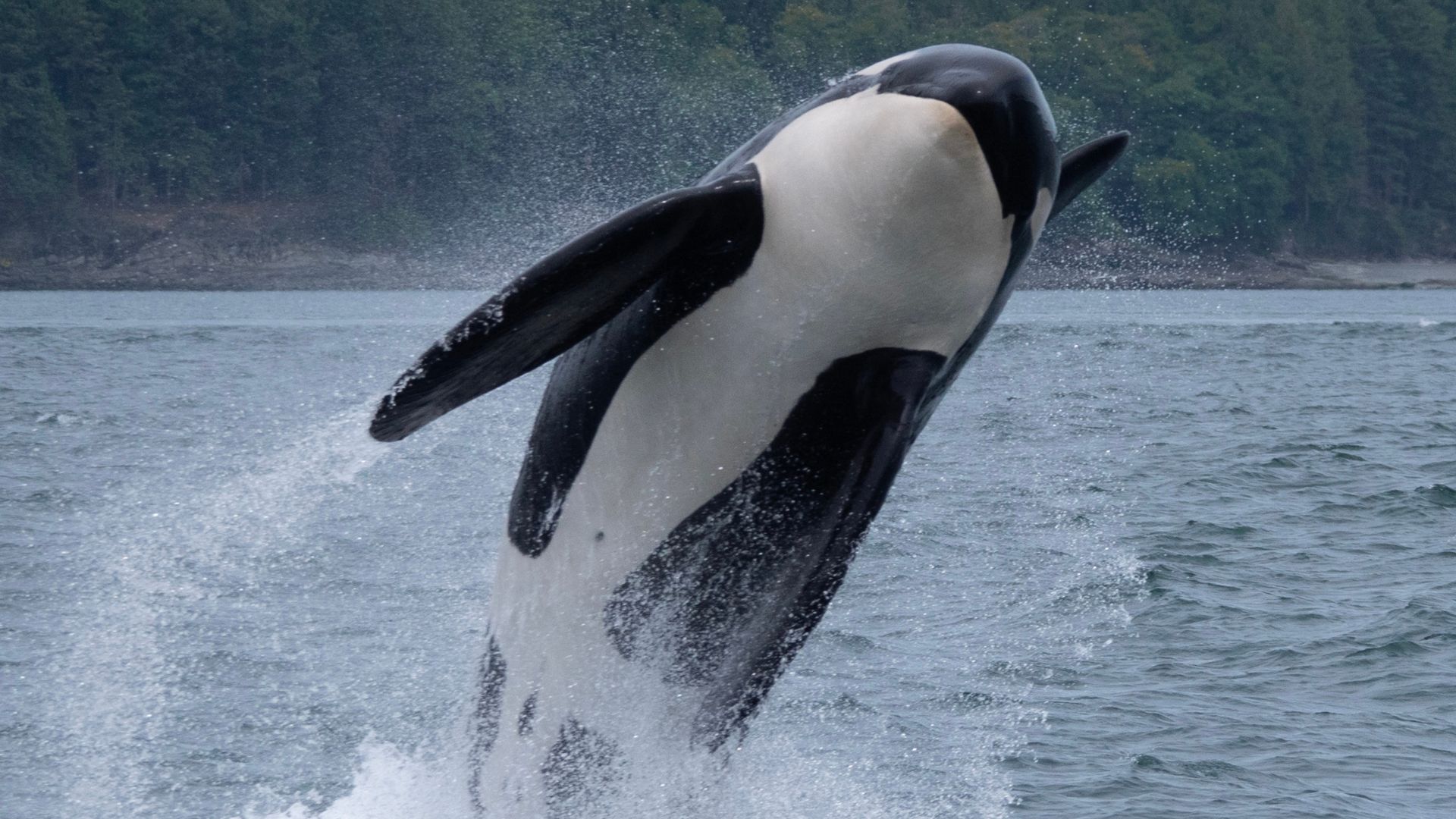
The Southern Residential Killer Whale Population is made up of three Pods, the L Pod, J Pod, and K Pod. Southern Residential Killer Whales live in the Salish Seas off the coast of Washington and British Columbia. All these Pods eat salmon as their primary diet, with Chinook Salmon being their primary food source. In the winter, K Pod and L Pod travel away from the Salish Sea and move down the coast of Oregon and sometimes as far as California to follow Chinook Salmon runs, while J Pod usually stays in the Salish Sea year-round. Southern Residential Killer Whales are critically endangered facing issues such as decreasing Salmon runs, vessel noise interfering with their natural habitat, and pollution in the water from an industrialized habitat.
Explore More
Marine Mammal Commission - Southern Resident Killer Whale
NOAA - Saving the Southern Resident Killer Whales
DFO - 2025 Management Measures to Protect Southern Resident Killer Whales
Northern Residential Killer Whales
The Northern Residential Killer Whales live in Pods, and the Pods are divided into three Clans, A, G, and R. Northern Residential Killer Whales have a broad range of habitat, being found off the coast of Washington and Vancouver Island all the way up to Alaska, and their movement typically following Salmon runs, similarly to the Southern Residents. Also, similar to the Southern Residents, they eat Chinook Salmon as their primary diet. Northern Residential Killer Whales' population status is threatened. With their range being broader than the Southern Residents, they do have better access to prey and live in a less industrialized habitat than the Southern Residents. And while their population numbers are still low, they have been slowly increasing. Their numbers have increased significantly since the 1970’s, but they still face similar threats as the Southern Residents such declining Salmon runs, pollution, and habitat disturbance.
Explore More
DFO - Population Status Updates for the Northern Resident Killer Whale In 2022
The Whale Trail - Northern Resident Orcas
Sararegistry - Recovery Strategy for Orcas in Canada (Published in 2001)
PNW
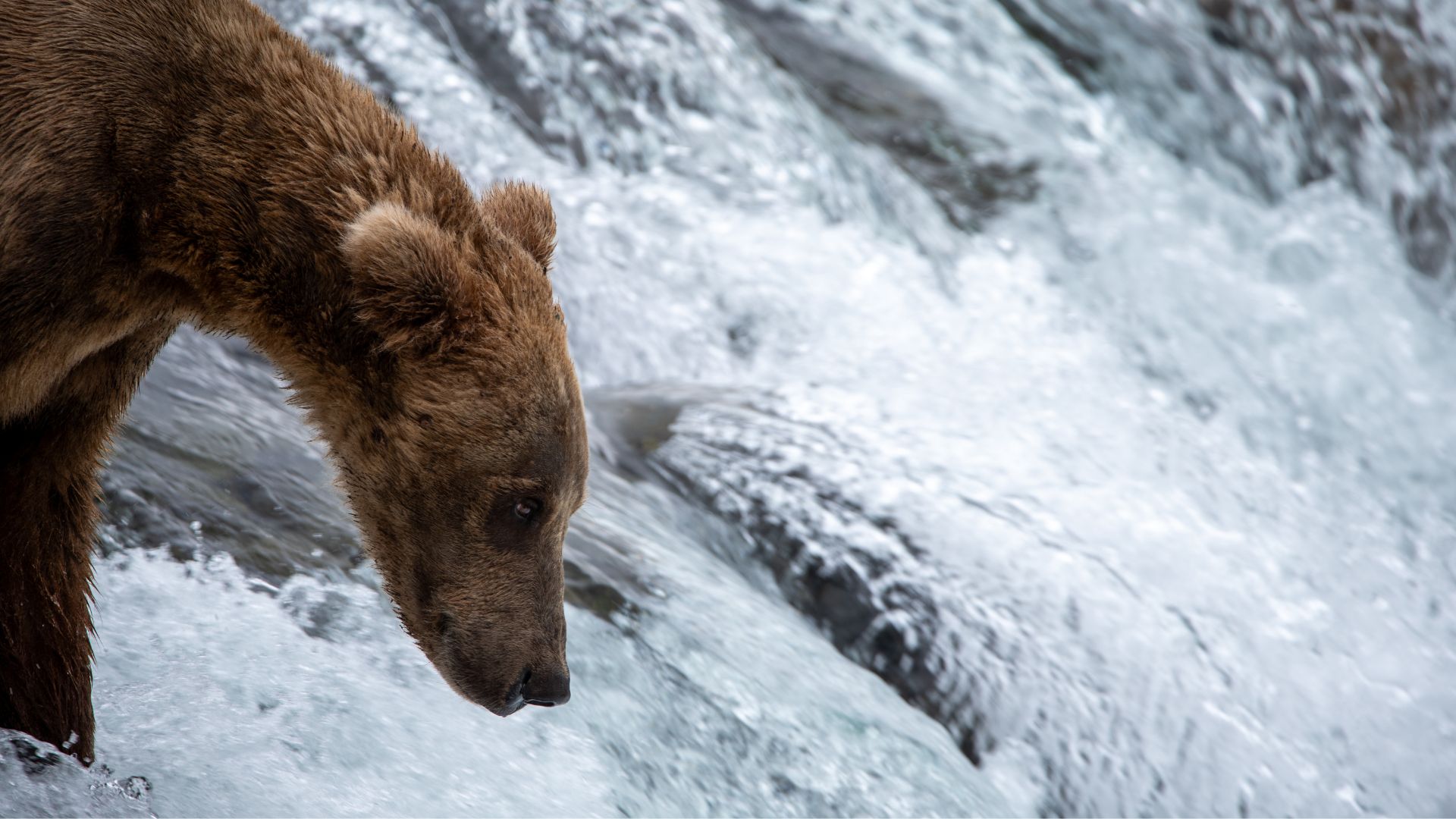
Species that live in the Pacific North West
Orcas
Salmon
Brown Bears
Bald Eagles
Giant Pacific Octopus
And Many More!
Blog
Water Noise Pollution Report (April 2026)
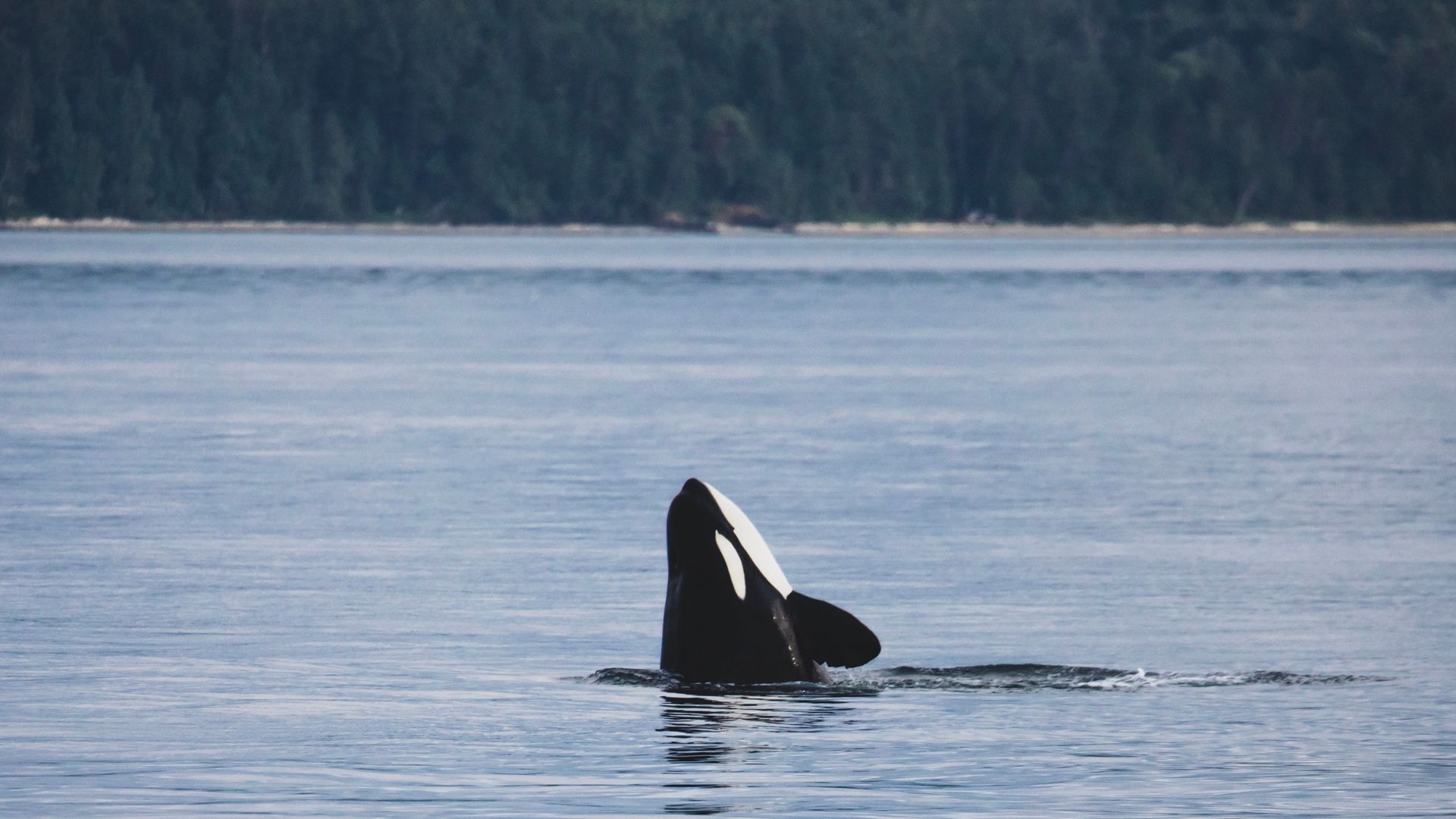
Noise pollution is a very serious problem that is causing harm to orcas. It is causing many issues such as problems with hunting, stress, and natural life.
Increasingly there are more factors being introduced into the wilderness and the Orca’s natural habitat that are enducing this noise, such as vessels, underwater turbines, and other industrial development. This is a problem, because the Southern Residential Killer Whales are already critically endangered, and this specific issue is hurting their populations even more.
Orcas hunt by sensing their prey using echolocation and leading a pursuit to catch it. When there is loud industrial noise, this will disrupt their ability to be able to sense the prey and pursue it. A study was conducted by the University of Washington, in which out of 95 deep dive attempts for prey, there was moderate success when catching prey in low-noise environments. Six of those attempts were however recorded in a high-noise environment, and only one of which led to success.
The cause of this noise disturbance is something called auditory masking. According to NOAA, auditory masking is the fact that the vessel noise is at a frequency that interferes with the echolocation that they use to track down their prey.
The way to fix this problem would be to reduce the number of vessels in the water and stop putting industrial equitment in the water. These pieces of equipment that are in the water are just interfering with the Orcas’s natural habitat in a way that we can’t really see from above ground, and yet, it is one of the main causes for their population decline.
Resources
University of Washington
NOAA
Orca Conservancy
Archive
The Proposed Chehalis River Dam (May 2025)
In 2020, The Chehalis River Basin Flood Control Zone District (FCZD), proposed construction of a new dam in the Chehalis River. The Chehalis River is a key water way for the salmon, specifically Chinook salmon, Coho salmon, and Steelhead salmon, which are critical components of the southern residential killer whales’ (SRKW) diet.
The proposed function of this dam is to help prevent flood damage. It would operate by allowing regular flow of water, however, when water levels get too high threatening a flood, the flood gates would close and retain water until it could all be safely let out.
In the earliest stages of this project, the Washington State Department of Ecology published an environmental impact report, which showed many negative environmental impacts. A brief rundown of these impacts include:
-Projections that 123,439 metric tons of greenhouse gas (GHG) emissions produced from construction.
-Construction could affect archeological sites; also, traditional and cultural sites could be affected.
-Permanently altering 0.32 acres of the river channel.
-Small chance of reservoir failure in the event of an earthquake, that would result in damage to people, infrastructure, and the environment. (Environmental justice would become disproportionate.)
-Smaller salmon runs.
-Temporary and permanent removal of vegetation affecting up to 847 acres of land.
-Changes in water temperature.
-Eliminating many acres of wetlands.
-Decreased wetland habitat function.
It’s been five years since this report came out, and design changes have been incorporated to minimize the negative impacts. The updated environmental impact report will be available in the fall of 2025. Design changes include:
-Fish conduits that would mimic natural river conditions that fish could pass through.
-Realigning the dam on the river so that it could affect less area of cultural significance to the Confederated Tribes of the Chehalis Reservation.
-Reducing the size of the reservoir by 32 acres to reduce vegetation impacted during the construction of the dam.
-Updated spillway design.
The salmon may not adapt well to this environmental change. The proposed changes to the salmon passage could be detrimental to their run sizes and populations. One of the biggest factors contributing to the endangerment of SRKWs is lack of food, and smaller salmon runs will greatly reduce the already too small salmon populations available for the orcas. SRKWs are critically endangered with just 73 left, and this dam could be harmful to the restoration and conservation of this endangered species.
There are many ways you can make your voice heard if you want to help stop this dam. There are Chehalis basin board meetings once per month, happening on the first Thursday of each month, where you can make a comment to the board. Also, when the new environmental impact report is published in the fall of 2025, you will be able to write in and make a comment on that.
Resources
https://ecology.wa.gov/getattachment/1c1097b9-e746-480b-bf07-120d5128ed11/Chehalis-SEPA-DEIS-Summary-022720.pdf
http://chehalisriverbasinfczd.com/
https://officeofchehalisbasin.com/get-involved/
https://www.orcaconservancy.org/blog/action-alert-stop-the-proposed-dam-on-the-chehalis-river
https://www.orcanetwork.org/action-advocacy/blog-post-title-one-9c996-cc3ht
https://www.fisheries.noaa.gov/west-coast/endangered-species-conservation/saving-southern-resident-killer-whales#:~:text=The%20research%20identifies%20three%20main,These%20factors%20compound%20each%20other.